
The Ultimate Care Guide for Genuine Leather Office Chairs: Maintenance Tips for Longevity
A genuine leather office chair is more than just a piece of furniture; it is an investment in your comfort, productivity, and professional image. However, top-grain leather—much like human skin—requires thoughtful upkeep to retain its supple texture, rich color, and refined appearance over time.
Whether you manage an executive suite or a home workspace, follow this complete, step-by-step guide to keep your leather office chair looking and feeling brand-new for years to come.
1. Daily & Weekly Cleaning: Preventing Dust & Dirt Build-Up
Daily Dusting (1 Minute)
Dust and airborne particles act like microscopic sandpaper on leather. Every day, use a soft, dry microfiber or pure cotton cloth to gently wipe down the seat, backrest, and armrests. Avoid using rough rags or steel wool, and never scrub vigorously, as this can leave fine scratches on the leather's surface.
Weekly Deep Cleaning
Dust easily accumulates in stitching, crevices, and edges. Use a hairdryer on the cool air setting to blow away debris from hard-to-reach areas, then wipe down the surfaces with a slightly damp, wrung-out cloth.
Important: The cloth must be damp—never dripping wet. Trapped moisture inside the leather matrix can cause mildew, peeling, or structural warping.
❌ Avoid Chemical Cleaners: For routine cleaning, plain water is all you need. Never use dish soap, laundry detergent, bleach, or alcohol. Alcohol corrodes the protective coating, while alkaline soaps strip away the leather’s natural oils, leaving it brittle, faded, and prone to cracking.
2. Regular Conditioning: Restoring Moisture & Flexibility
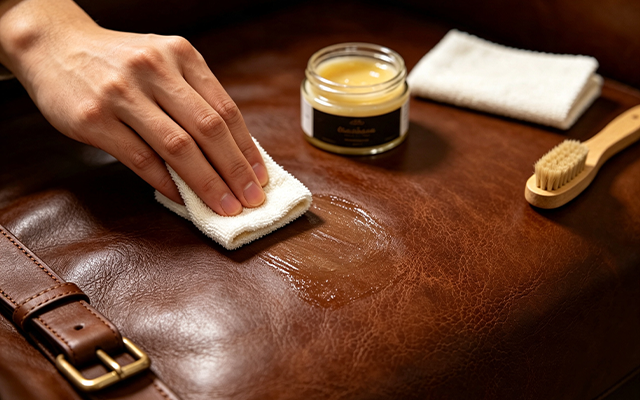
Leather needs ongoing nourishment to remain supple. Without periodic conditioning, it dries out, stiffens, and eventually cracks. Regular oiling or conditioning is the secret to preserving its signature plush feel.
Choosing the Right Product
Always opt for specialized leather conditioners or nourishing creams. Formulated with gentle, non-pore-clogging ingredients, these products replenish essential oils, restore luster, and help minimize minor surface wear.
Standard Conditioning Process
1.Clean First: Ensure the chair is completely free of dust and moisture before applying any product.
2.Apply Thinly: Apply a small amount of conditioner to a soft cloth. Work it gently into the leather using small, circular motions. Apply a thin, even layer; avoid heavy application.
3.Let It Absorb: Allow the chair to sit undisturbed for 20 to 30 minutes so the leather can absorb the nutrients.
4.Buff to Finish: Use a clean, dry cloth to gently buff away any excess product. This brings out a subtle sheen and restores the leather’s luxurious softness.
Frequency: * Standard Environments: Condition once a month.
Dry Climates / Air-Conditioned Spaces: Condition every two weeks to actively combat moisture loss.
3. Preventive Protection: Avoiding Environmental & Physical Damage
Avoid Heat, Direct Sunlight, and Moisture
Prolonged exposure to direct sunlight, radiators, or HVAC vents evaporates essential moisture and oils, accelerating fading and cracking. Conversely, high humidity promotes mold and mildew. Position your chair away from direct heat sources and sunlight, and ensure your office remains well-ventilated.
Shield Against Sharp Objects and Heavy Loads
Keys, pen tips, scissors, and jewelry can easily puncture or gouge top-grain leather, causing irreversible damage. Always exercise care when wearing or carrying sharp items near the chair.
Address Spills Immediately
Promptly clean up spilled coffee, tea, ink, or oils. The longer a liquid sits, the deeper it penetrates into the leather pores, creating stubborn stains or deteriorating the material. Blot liquid spills immediately with a dry cloth—do not rub vigorously.
4. Quick Fixes for Common Issues
You don’t always need professional repairs or replacement parts for minor issues. Here is how to handle common daily wear:
- Dull Appearance: Caused by accumulated dust or dry leather. Clean the surface, apply a thin coat of leather conditioner, let it dry, and buff gently to restore shine.
- Fine Lines / Dry Wrinkles: A clear sign of dehydration. Deep-condition the chair twice over a two-week period, followed by regular monthly conditioning, to visibly smooth out fine lines.
- Minor Mold or White Spots: Wipe away spores with a dry, soft cloth, then go over the area with a slightly damp cloth. Allow it to air-dry completely before applying conditioner. Ensure the room stays ventilated.
- Pressure Marks & Creases: Reduce localized pressure and gently smooth out the creases by hand in the opposite direction. Regular conditioning will help the leather bounce back naturally over time.
5. Common Maintenance Mistakes to Avoid
- NEVER Use Rubbing Alcohol or Disinfectants: Harsh chemicals ruin the protective seal, causing the finish to turn white, peel, or crack.
- NEVER Wash with Excessive Water: Soaking leather causes severe deformation, stiffening, and internal rot.
- NEVER Over-Apply Conditioner: Excess oil clogs pores, attracts dust, and leaves a sticky residue that retains odors.
- NEVER Use High Heat to Dry: If your chair gets wet, do not use a hot hairdryer or leave it in direct sunlight. High heat bakes the leather, rendering it unusable.
Summary: A Simple Routine for Decades of Comfort
Caring for a premium leather office chair isn't about complex procedures—it comes down to three golden rules: gentle cleaning, regular conditioning, and proactive protection.
By dusting daily, wiping down weekly, and conditioning monthly, you can protect your investment and enjoy an executive-level seating experience for a decade or more.