
The Executive Buyer’s Guide to Genuine Leather Office Chairs
Ideal For: Corporate Procurement, Executive Suites, Managerial Offices, Private Workspaces, and Trade Show Sourcing.
Style Focus: Modern Luxury, Refined Sophistication, Ergonomic Support, and Executive Ambiance.
Introduction
A premium leather office chair is far more than just a piece of furniture—it is the centerpiece of a professional workspace. The right chair must harmonize with your interior design while delivering targeted ergonomic support to relieve shoulder, neck, and lower back fatigue during long working hours.
With countless options on the market, choosing the right seat can feel overwhelming. Use this streamlined guide to navigate upholstery, tilt mechanisms, backrest designs, and structural components to find the ideal executive leather chair for your space.
1. Upholstery Selection: Top-Grain Leather vs. Microfiber Leather
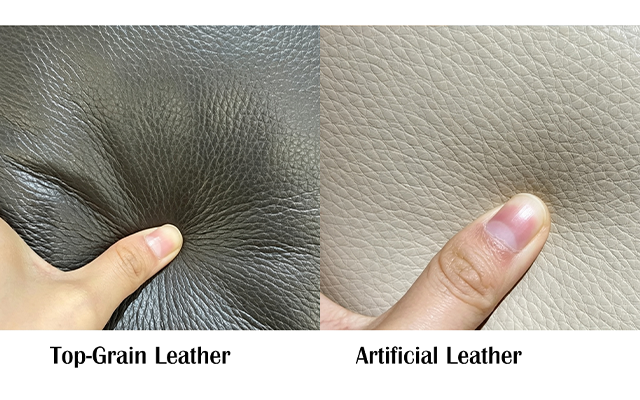
Top-Grain Genuine Leather (High-End Executive Suites)
- Pros: Premium tactile feel, natural grain, exceptional breathability, and an unmatched executive presence. Quality leather develops a unique patina over time and continuously adapts to the user's posture.
- Considerations: Requires periodic conditioning, higher price point, and vulnerability to sharp objects.
- Best For: CEO offices, C-suite suites, high-frequency use, and luxury-driven budgets.
Microfiber Leather (Mainstream Corporate Procurement)
- Pros: Highly scratch-resistant, water-repellent, stain-resistant, and low-maintenance. Mimics the visual appeal of genuine leather at a competitive price point without cracking or peeling over time.
- Best For: Managerial offices, middle management, bulk corporate purchasing, and shared workstation environments.
2. The Core Structure: Mechanisms That Define Comfort
The tilt mechanism serves as the heart of any executive chair, directly impacting recline angles, weight distribution, and overall durability.
- Recommended: Advanced synchronized tilt mechanisms with adjustable tension control. These allow users to fine-tune the recline resistance based on their body weight.
- Avoid: Basic single-position or locking-only mechanisms, which often lack stability and feel wobbly when reclining.
3. Backrest & Cushion Ergonomics: Key to Long-Term Comfort
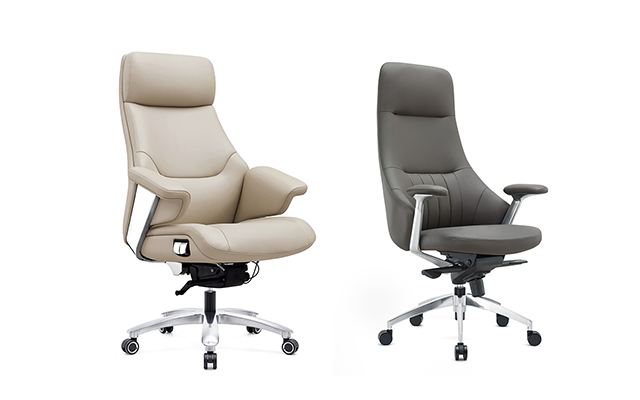
Full-Height High-Back (Executive & CEO Chairs)
Provides full-length support from the lower back up to the shoulders and head. Offers an imposing, authoritative presence—ideal for private executive offices and dedicated rest moments.
Mid-Back (Managerial & Supervisor Chairs)
Extends to shoulder height, maintaining an open line of sight across the room. Ideal for open-plan management areas, private meeting rooms, and collaborative spaces.
Seat Cushion Density
Pro Tip: Avoid overly soft cushions that allow you to sink completely. Lack of support leads to spinal misalignment and lower back fatigue over long periods. Choose medium-firm cushioning made of high-resilience molded foam that cradles the hips while maintaining proper lumbar curvature.
4. Bases & Casters: Stability & Floor Protection
- Base Materials: Aluminum Alloy Base > Electroplated Iron Base. High-grade aluminum alloy offers superior load-bearing capacity, a sleek polished finish, and long-term corrosion resistance.
- Casters: Use hard nylon casters for carpeted floors. For hardwood or tile surfaces, opt for soft, noiseless PU (Polyurethane) casters to prevent floor scratches and reduce movement noise.
Summary
Investing in the right leather office chair is a balance between aesthetic presentation and daily physical comfort. By matching the right upholstery material and structural features to your specific office setting, you ensure both a commanding executive presence and lasting durability.