
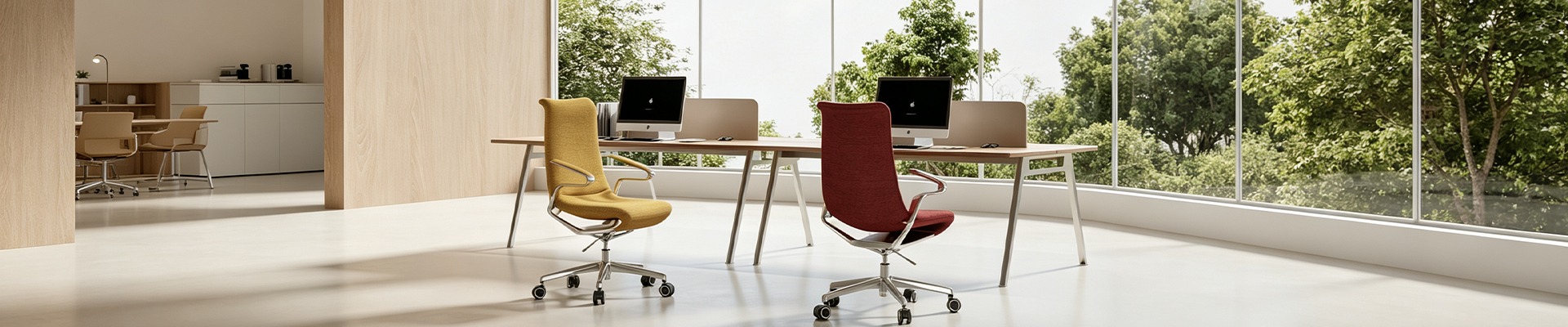
2026 Executive Leather Seating Industry Trends: Evolution from "A Mere Chair" to "An Embodiment of Wellness and Prestige"
With the widespread adoption of hybrid work models and a heightened corporate focus on employee well-being, office seating—particularly executive leather chairs, managerial seating, and modular leather sofas—is undergoing a profound transformation.
In 2026, the executive leather seating industry is no longer competing solely on cost or visual appeal. Instead, the market is upgrading around four core pillars: smart power controls, ergonomic breakthroughs, Italian-inspired "resimercial" design, and ESG-driven sustainability.
Below is an in-depth analysis of these trends tailored for office seating manufacturers:
1. "Power Adjustability + One-Touch Posture Switch" Defines the New Benchmark for High-End Executive Chairs
Traditional mechanical tilt mechanisms are rapidly yielding to smart electric adjustment systems.
Seamless One-Touch Transition: In 2026, executive and CEO chairs increasingly feature "one-touch power recline." Users can switch effortlessly from a upright working posture to a relaxed recline without manual effort, significantly elevating the user experience.
Cordless Operation & Concealed Technology: High-capacity built-in battery packs () paired with concealed control switches completely eliminate trailing power cords, maintaining a clutter-free, high-end executive environment.
Active Relief Features: Integrated rhythmic lumbar massage or micro-vibration modules offer targeted relief for lower back stiffness caused by long desk hours, allowing the chair to serve as both a productivity tool and a wellness sanctuary.
2. "Resimercial" Aesthetics: Balancing Corporate Authority with Inviting Comfort
The cold, mechanical look of traditional office chairs is evolving toward an Italian minimalist, sofa-grade comfort aesthetic.
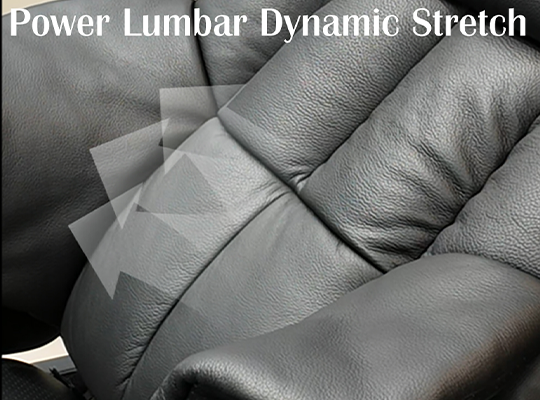
Grid Tufting & Segmented Quilting: Classic grid-block tufting, segmented quilting, and modular block textures are making a major statement on leather chairs and reception sofas, creating a full, substantial, and visually ordered design language.
3. Upholstery Segmentation & Sustainable Material Selection: The Dual Power of Microfiber and Eco-Friendly Leather
Driven by diverse procurement budgets and ESG (Environmental, Social, and Governance) requirements, upholstery selection shows clear market segmentation:
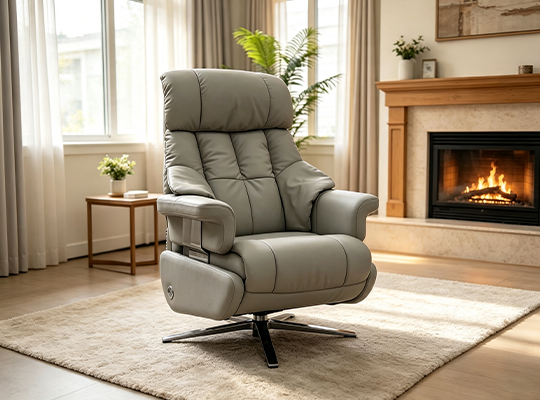
Top-Grain Genuine Leather: Dominates C-suite offices, boardrooms, and high-tier executive reception suites. Buyers value its natural grain, skin-friendly breathability, and the refined patina it develops over time.
High-End Microfiber Leather: The top choice for middle-management offices, open supervisor areas, and bulk corporate purchasing. Its high abrasion resistance, scratch resistance, water/stain repellency, and resistance to cracking make it ideal for high-frequency commercial use.
Eco-Friendly & Low-Carbon Processing: Chrome-free tanned leathers, low-VOC water-based coatings, and recyclable aluminum alloy bases have become essential value-add criteria for international trade and large corporate RFPs.
4. Deep Ergonomics & Self-Adapting Mechanism Technology
"Comfort over long hours" remains the evergreen demand for office seating. In 2026, ergonomic design places greater emphasis on self-adaptation and enveloping support:
Self-Adapting Tension Mechanisms: These systems automatically adjust recline resistance based on the user's body weight. Combined with single- or dual-motor cable controls, they ensure a smooth, stable, and wobble-free tilt motion.
Enveloping High Backrests with Molded Foam: Utilizing high-resilience molded foam with a density of or higher, the backrests precisely contour to the curves of the shoulders, neck, waist, and hips—delivering firm support without feeling overly rigid.
Modular & Adjustable Cushioning: Independent lumbar supports or repositionable head/back pillows allow the seating to adapt dynamically to users of different heights and reclining preferences.
5. From "Standalone Manufacturing" to "Integrated Spatial Collection Packages"
For leather seating manufacturers, competing solely on single product units is increasingly challenging. Offering "integrated seating packages" has become key to driving higher order values and enhancing brand equity.
Unified Style Language: B2B buyers prefer single-source vendors capable of providing complete suite solutions. Matching the "Main Executive Chair + Side Reception Sofas + Guest Armchairs" in terms of leather textures, wood finishes, and metallic accents creates a cohesive interior aesthetic.
Versatile Scenario Adaptability: Product design must seamlessly transition across private C-suite offices, commercial negotiation lounges, private executive clubs, and high-end home office settings.